Africa Climate Risk Insurance Framework for Adaptation
The Africa Climate Risk Insurance Framework for Adaptation (ACRIFA) represents the Bank’s ambition in enhancing adaptation for African agriculture by working to mobilize $1 billion in concessional capital to de-risk investments and expand climate protection through innovative climate insurance solutions.
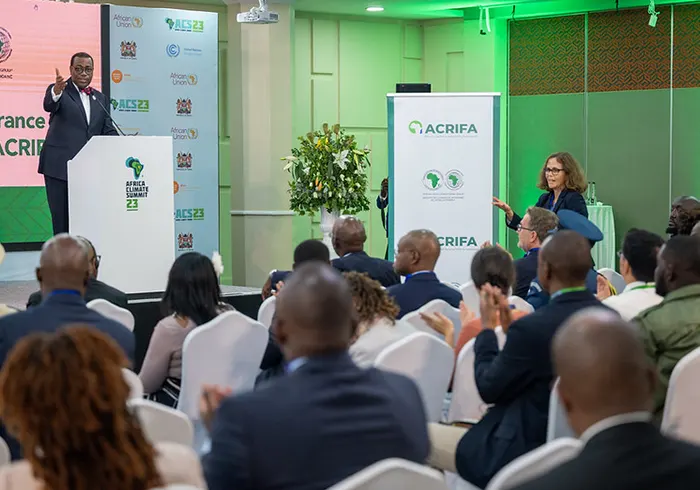
Unveiled in 2023 at the Africa Climate Summit, ACRIFA partners with the African insurance ecosystem to develop insurance as a vital tool to foster climate adaptation, resilience, and sustainable development within Africa’s agricultural sector.
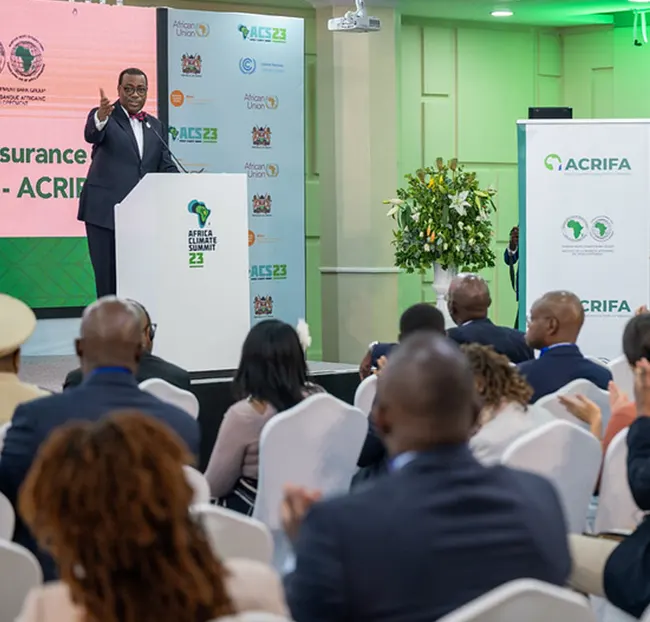
8th President of the African Development Bank Group 2015–2025
Inaugural Africa Climate Summit, 2023
What we do
Responding to climate risks
Agricultural producers and small and medium enterprises (SMEs), despite being the primary engine for growth and livelihoods in Africa, often struggle to access much-needed capital. Furthermore, African agricultural SMEs are vulnerable to climate change and have limited access to insurance.

SMEs supporting Africa’s agri-food system face an annual financing gap of over $100 billion

There is a 97% insurance protection gap of African smallholder producers

Climate change costs Africa an estimated $200 billion annually in infrastructure and agricultural losses, with individual nations losing between 2-5% of their GDP each year due to extreme weather events
ACRIFA has five areas of intervention

Supporting the African network of primary insurers
Leverage the extensive network of primary insurers to efficiently deliver innovative, targeted insurance solutions for African agri-food systems

Addressing acquisition and diversification
Tackle the high cost of client acquisition through aggregation to achieve scale and broaden the geographical diversification of risks that currently deter investment in the climate-sensitive agri-food sector

Designing and expanding insurance solutions
Develop and scale innovative insurance products covering risks like droughts, floods, pests, credit, price fluctuations and transition challenges

Capacity building and supporting the enabling environment
Through the ACRIFA Capacity Development Platform, invest in training and upskilling in climate insurance, develop standardized curricula and enhance policy and regulatory support

Channeling climate finance
Direct climate finance toward initiatives and programs that harness insurance products to de-risk finance, accelerate climate adaptation and advance climate adaptation and resilience goals within the agri-food system
Covering climate risk at different levels
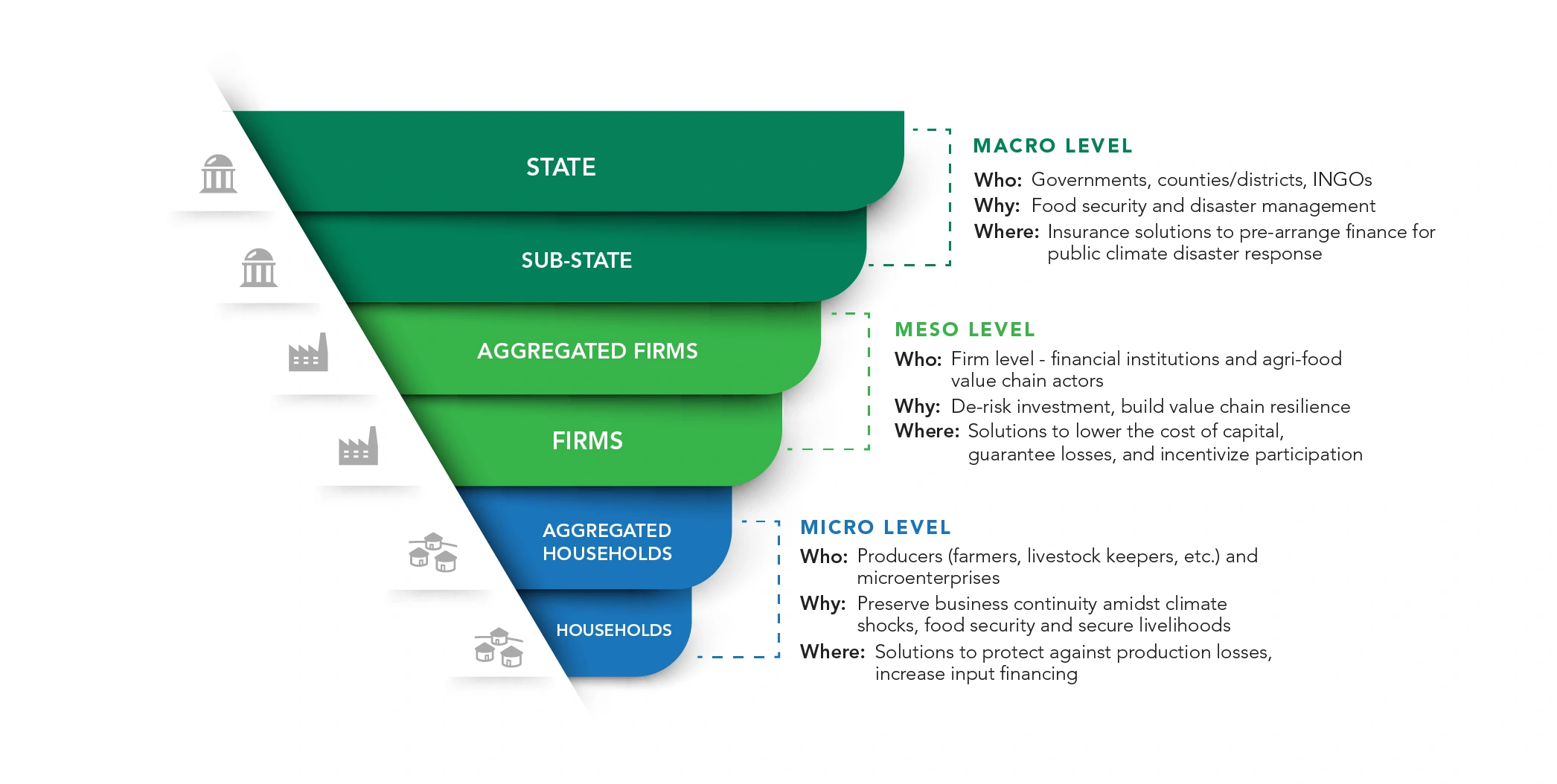
ACRIFA seeks to extend the umbrella of climate protection beyond the sovereign level, bringing end-to-end insurance coverage to meso-level actors across the agricultural value chain and ultimately to smallholder farmers and producers.
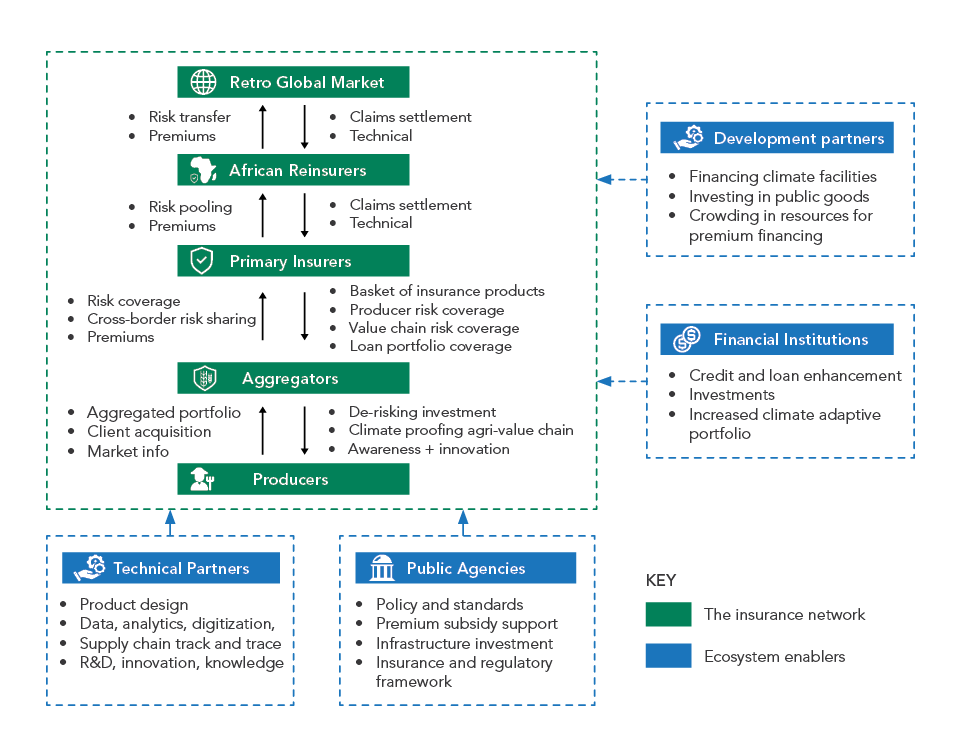
The ACRIFA Aggregation Model enables effective de-risking of investments to build the financial and climate resilience of the African Agri-food system
The ACRIFA Aggregation Model scales climate insurance in two main ways:


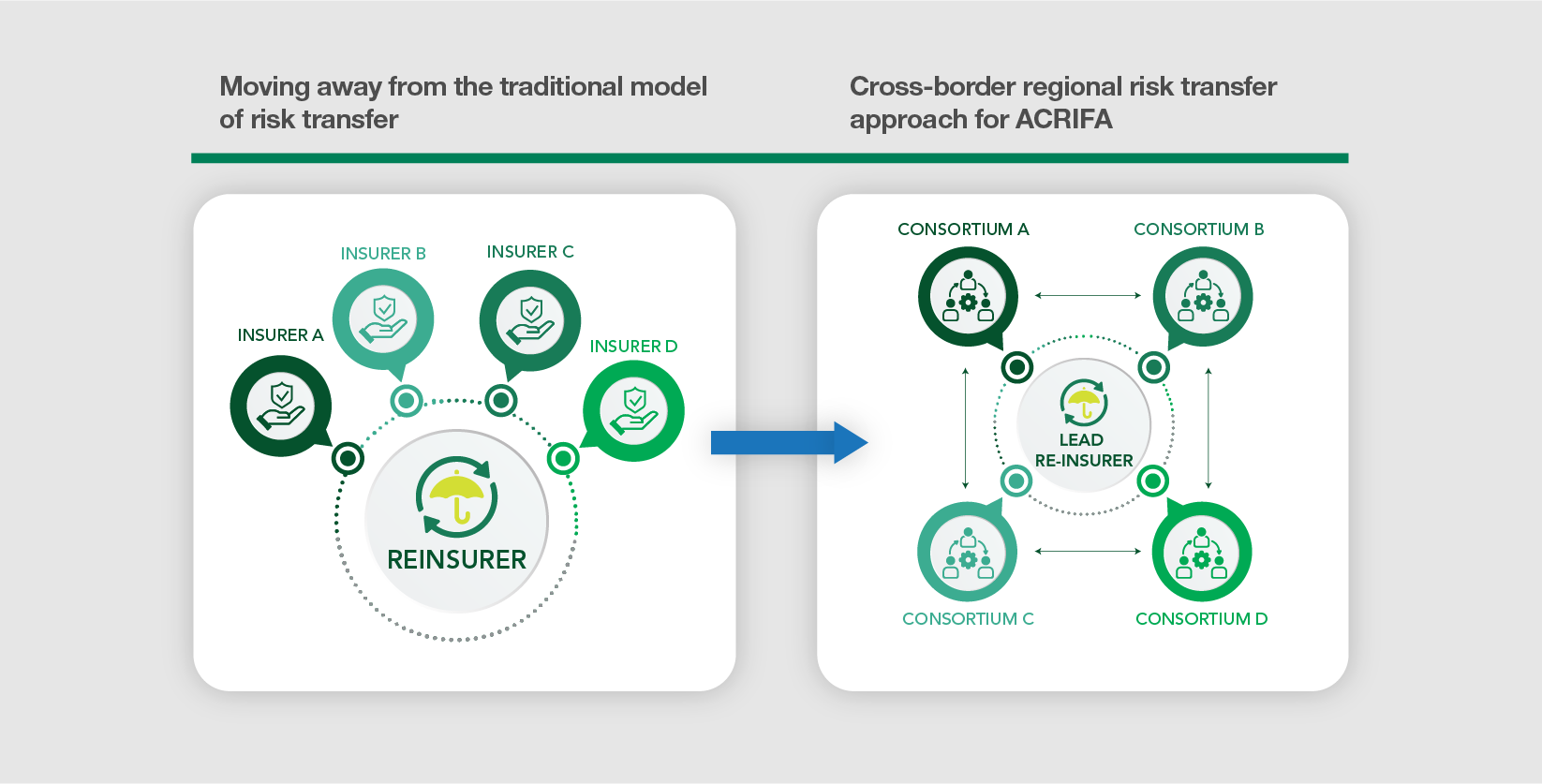



ACRIFA Capacity Development Platform has three objectives

People
Create a networked pool of skilled African insurance professionals who can design, deploy and scale high-quality, affordable agri-climate insurance products that de-risk the agri-food system.

Products
To support the development of curricula, contracts, data and digital solutions, and taxonomies for insurance products.

Performance of Institutions
Facilitate the building and strengthening of effective African policy and regulatory institutions that can better deliver on their consumer protection mandates and oversee the development of nationally relevant, regionally harmonized climate insurance standards.
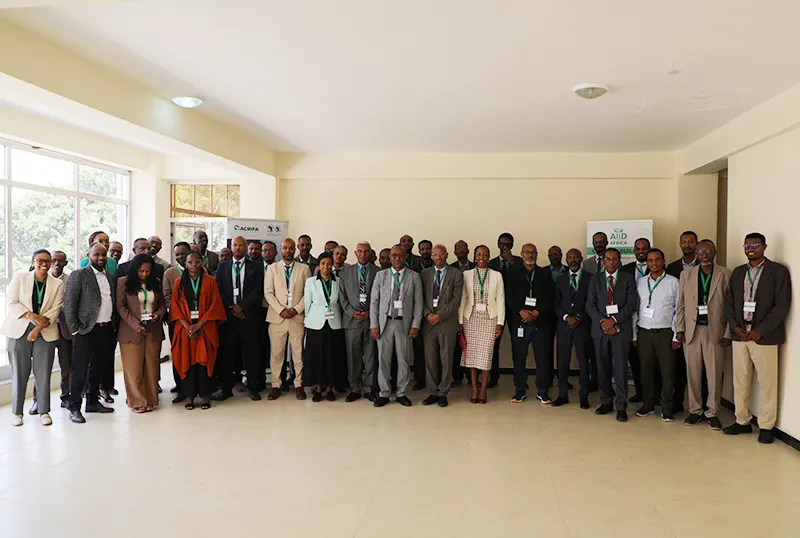
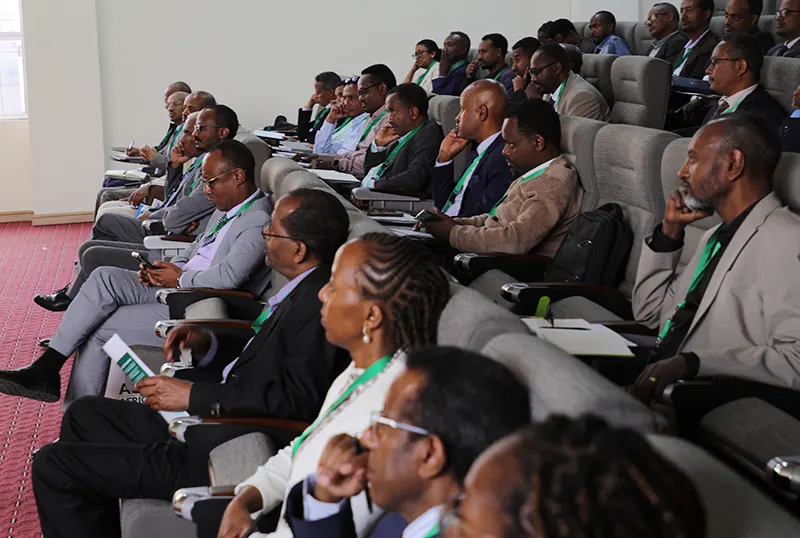
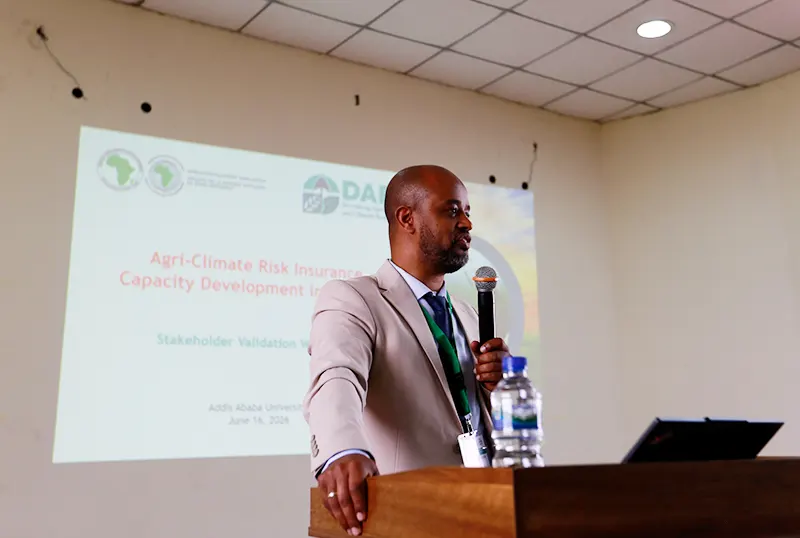
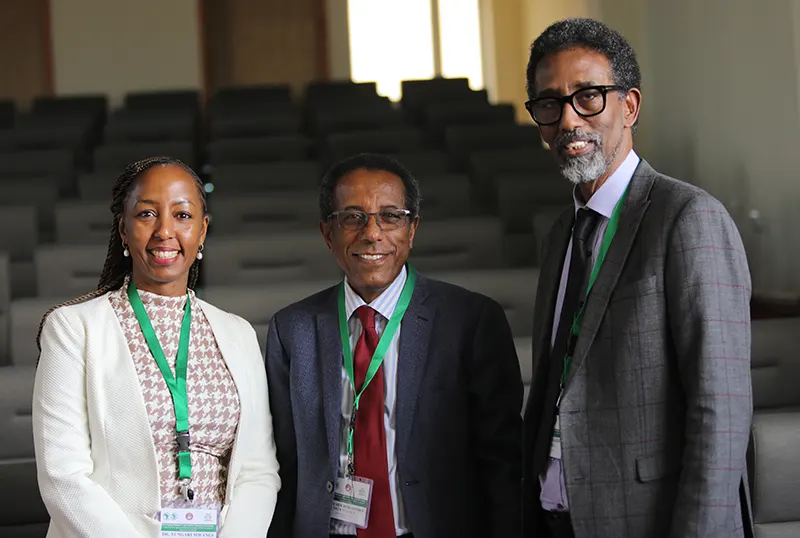
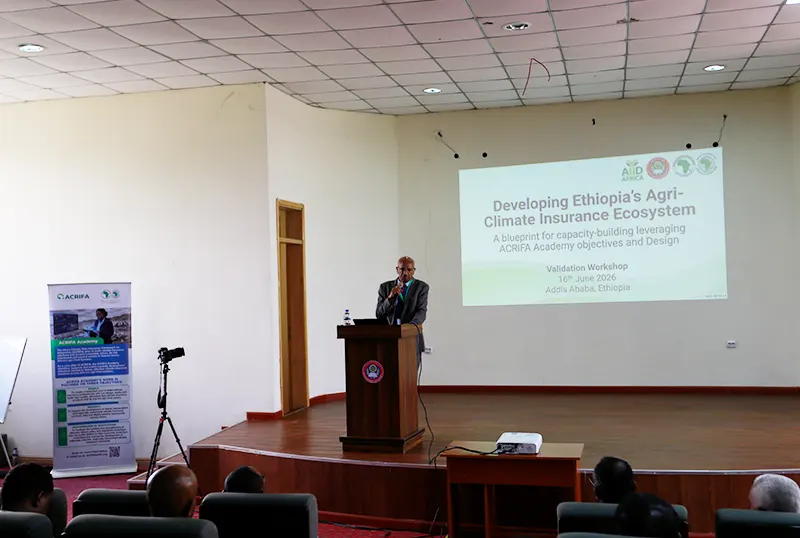
Venue: Addis Ababa University
Date: June 16, 2026
How ACDP works
ACRIFA Capacity Development Platform is a capacity building solutions platform that identifies gaps, supports existing initiatives and catalyzes new solutions. It prioritizes three main areas to accelerate the adoption of climate insurance in Africa:
Training and capacity building
Coordination and ecosystem development
Supporting the continental harmonization of standards
ACRIFA channels global climate finance towards
Africa’s climate insurance priorities
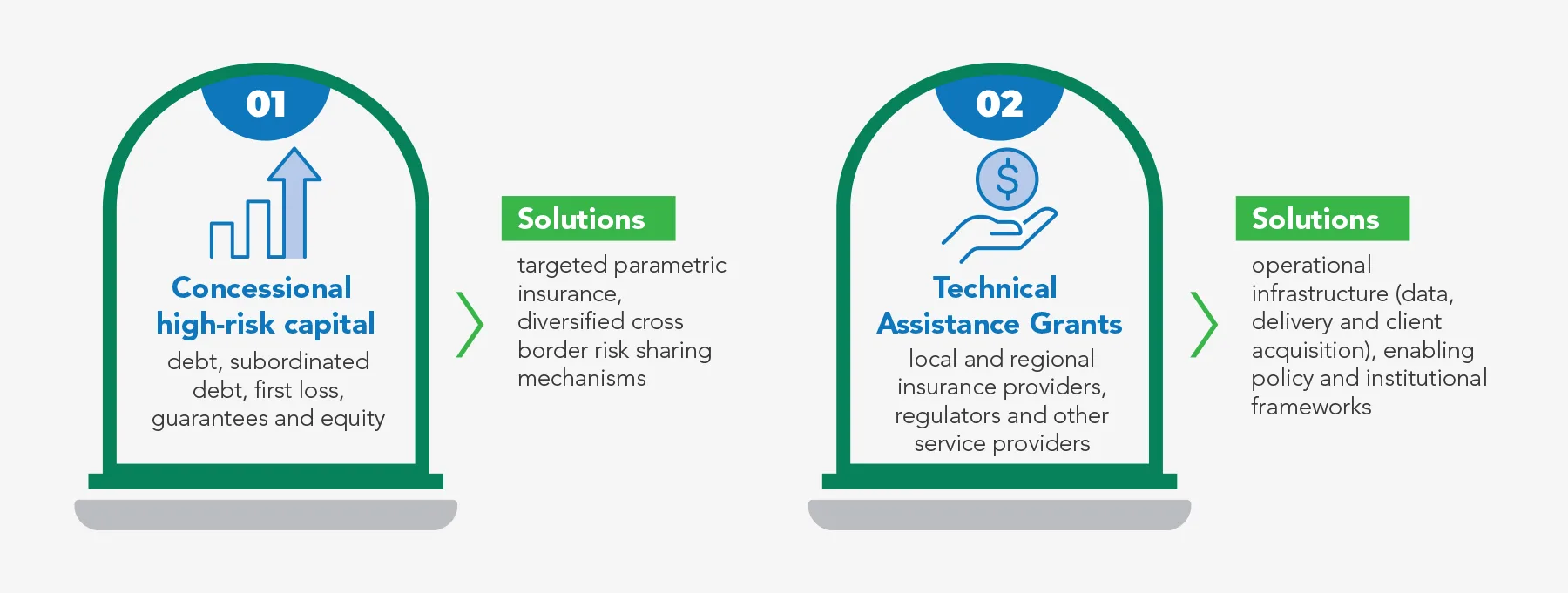
ACRIFA will mobilize resources from global climate financiers and channel these resources to co-finance with the Bank’s capital and other related specialized trust funds. It will deploy resources through two key windows:

Second Africa Climate Summit
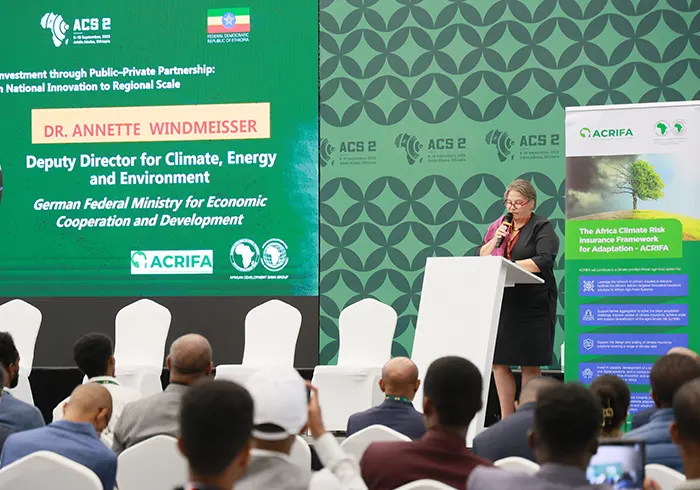
Second Africa Climate Summit
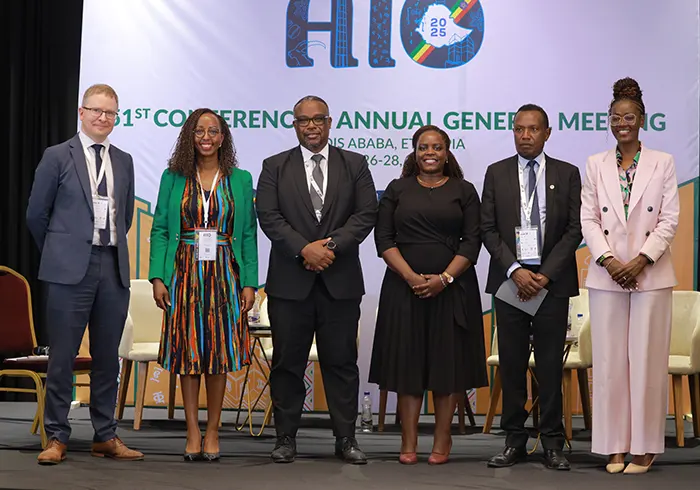
51st African Insurance Organization (AIO) Conference and Annual General Assembly
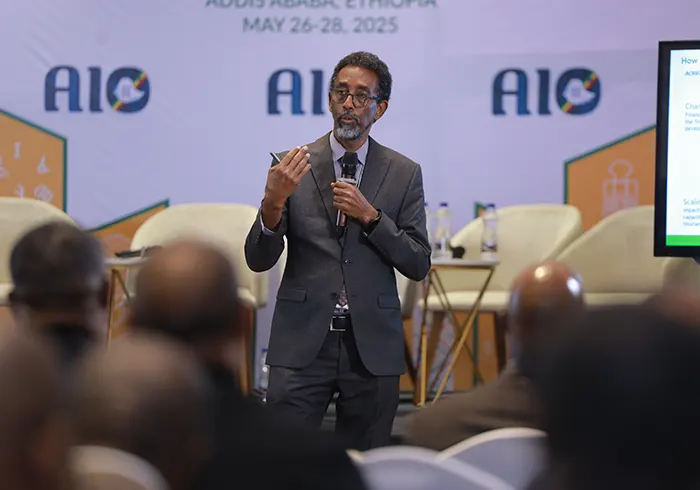
51st African Insurance Organization (AIO) Conference and Annual General Assembly

Financing Agri-Food Systems Sustainably (FINAS) 2025 Summit
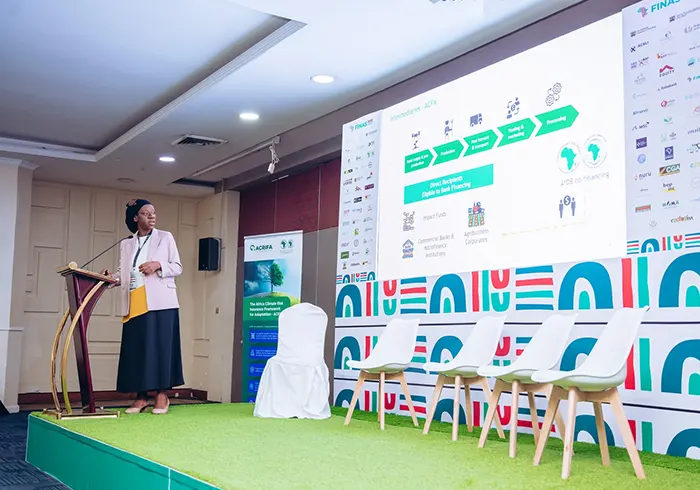
Financing Agri-Food Systems Sustainably (FINAS) 2025 Summit
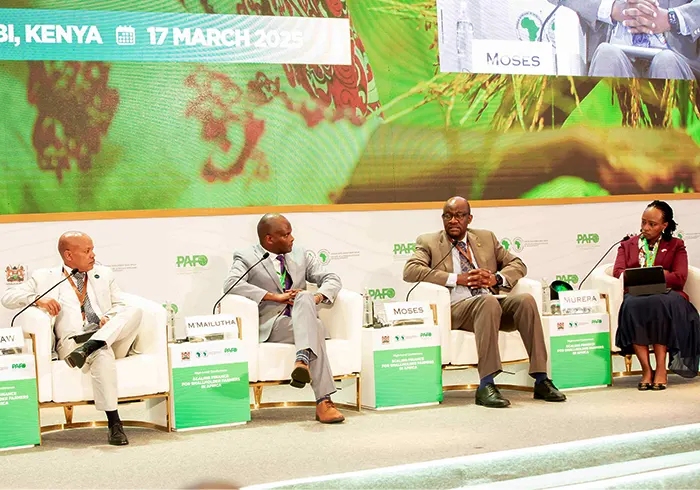
Scaling Finance for Smallholder Farmers in Africa conference
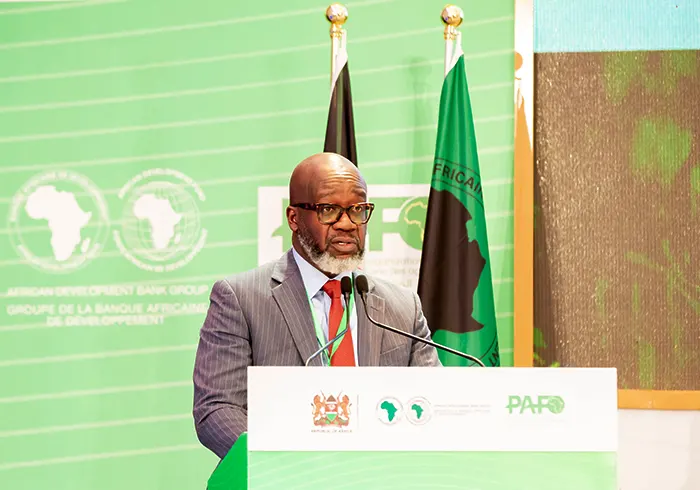
Scaling Finance for Smallholder Farmers in Africa conference
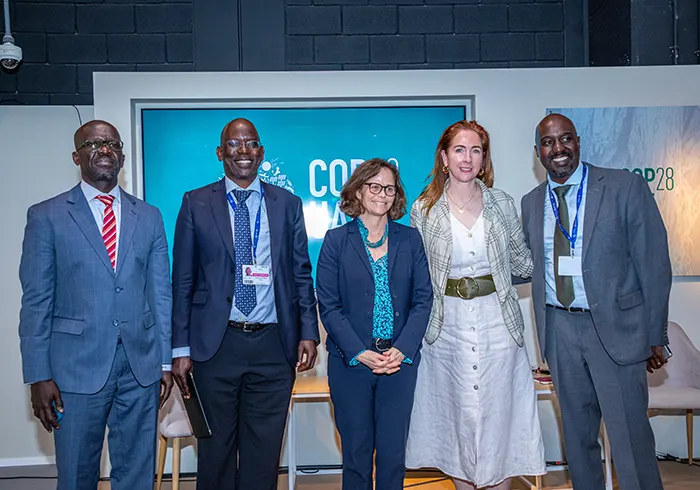
Africa@COP28: Uniting for Resilience
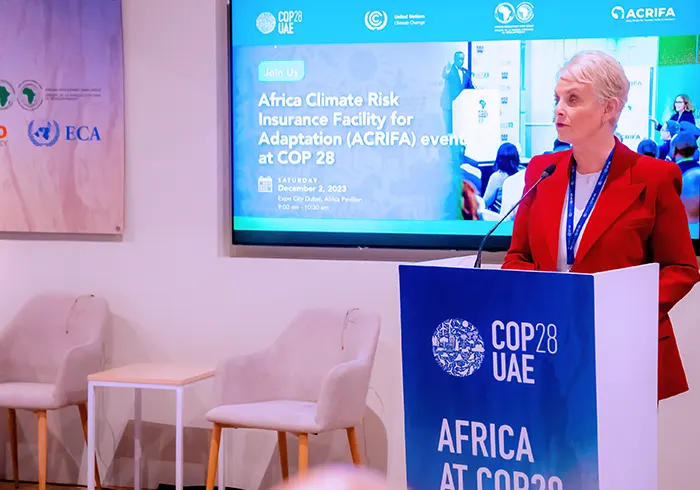
Africa@COP28: Uniting for Resilience

Inaugural Africa Climate Summit